Three days of oat-heavy meals spark gut-derived phenolic metabolites linked to rapid cholesterol drops, explaining why oat dose and the microbiome shape metabolic benefits.
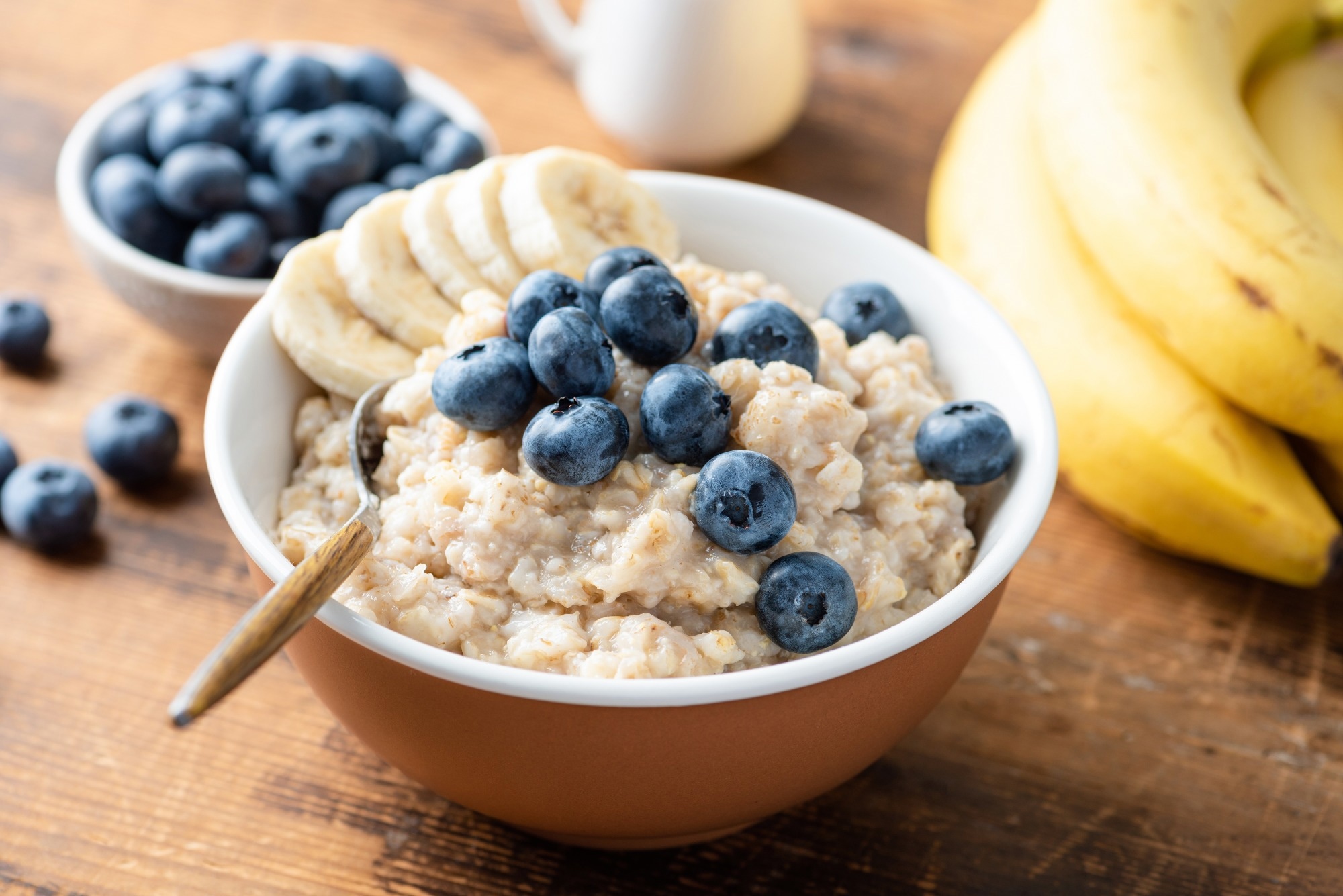 Study: Cholesterol-lowering effects of oats induced by microbially produced phenolic metabolites in metabolic syndrome: a randomized controlled trial. Image credit: Vladislav Noseek/Shutterstock.com
A study published in Nature Communications suggests that gut microbe-derived phenolic metabolites increase after oat consumption and are associated with lipid-related benefits, particularly the cholesterol-lowering effects observed following a high-dose oat diet in individuals with metabolic syndrome.
Oats, gut microbiota, and metabolic syndrome risk
Metabolic syndrome is a group of health complications that collectively increase the risk of type 2 diabetes and cardiovascular disease. The prevalence of metabolic syndrome is increasing worldwide, making it a major public health concern. About up to 31 % of the global population is currently living with this condition.
Metabolic syndrome has been linked to alterations in gut microbiota composition and function. Dietary modifications, such as fiber-rich diets, are considered promising interventions for managing this condition.
Oats contain high levels of dietary fiber, vitamins, minerals, and various bioactive compounds, including phenols, making them a potential intervention for treating metabolic syndrome. Several studies have highlighted the metabolic benefits of oats, including glycemic control (lowering post-meal blood glucose levels) and cholesterol-lowering effects.
To understand the mechanisms underlying these effects, researchers from the University of Bonn, Germany, conducted two randomized controlled dietary trials involving individuals with metabolic syndrome, with one trial investigating the effect of a short-term (two days), high-dose oat diet and the other trial examining the effect of a long-term (six weeks), moderate-dose oat diet on lipid metabolism, gut microbiota, and microbial metabolites.
High-dose oats rapidly boost phenolics and lower cholesterol
The trial findings revealed that phenolic compounds produced through the gut microbial degradation of oats, such as ferulic acid (FA) and dihydroferulic acid (DHFA), along with other phenolic metabolites, substantially contribute to oat-associated metabolic effects, with the strongest clinical lipid changes observed under high-dose conditions.
Specifically, the trial showed that consuming a high-dose oat diet for two days significantly increased plasma levels of both FA and DHFA compared with the oat-free control diet.
Consuming a moderate-dose oat diet for six weeks also significantly increased plasma FA levels but did not result in a significant between-group increase in DHFA.
Notably, the high-dose oat diet significantly improved lipid metabolism by reducing blood levels of total cholesterol and low-density lipoprotein cholesterol within just two days, highlighting oats' strong cholesterol-lowering effects. The observed improvements tended to remain below baseline during the six-week follow-up period of the short-term intervention study, suggesting a possible persistent effect.
However, no significant improvement in lipid metabolism relative to the control group was observed in the six-week intervention group, which consumed a single serving of oatmeal daily alongside a Western diet. These findings indicate that moderate-dose oat diets may have only a mild or stabilizing impact on lipid metabolism, despite measurable increases in circulating phenolic metabolites.
Regarding microbial composition, the trial found that both high- and moderate-dose oat diets induced specific microbial shifts, without altering the core composition and diversity of the gut microbiota, highlighting targeted functional rather than global compositional changes.
Dose and microbiome interactions shape oat-driven metabolic benefits
The findings of these two dietary intervention trials highlight the role of gut microbiota-generated phenolic compounds as potential contributors to the metabolic health benefits of oats, including cholesterol-lowering effects observed at high doses.
Furthermore, the observed changes in a range of metabolites related to lipid and amino acid metabolism, driven by oat-induced shifts in gut microbiome composition and function, were associated with cholesterol-related outcomes, supporting a link between metabolite bioavailability and lipid regulation rather than direct causation.
The trials identified several oat-derived, gut microbiota-generated phenolic metabolites, including FA and DHFA, as key metabolites linked to cholesterol changes, rather than as the sole drivers of the cholesterol-lowering effects. Previous animal studies have demonstrated that FA can reduce blood cholesterol levels by inhibiting the enzyme that controls cholesterol synthesis and by modulating lipogenic gene expression in the liver.
According to the findings, both high-dose, short-term and moderate-dose, six-week oat diets can increase plasma levels of phenolic compounds and their microbial degradation products, with the high-dose, short-term diet showing more pronounced effects. Overall, these findings confirm the bioavailability of these metabolites and support their potential role in cholesterol management.
The attenuated effect of the six-week intervention may be attributed to lower oat consumption compared with the short-term high-dose oat diet, in which three oat meals entirely replaced the habitual Western diet. During the six-week intervention, participants consumed a single oat meal alongside their habitual Western diet, which might have reduced the intervention's efficacy by introducing greater variability in food and nutrient exposure and increasing inter-individual variability in metabolic responses.
The high-dose, short-term dietary trial found an association between increased phenolic compounds and specific oat-induced modulation of the gut microbiota, characterized by increased abundance of a bacterial genus that is associated with healthy aging. Based on these findings, the research team proposed that the identified genus may metabolize oat-derived phenolic compounds, thereby contributing to cholesterol-related effects. However, this interpretation is hypothesis-generating and requires further experimental validation.
Overall, the trial findings highlight the significance of high-dose, short-term oat diets as a potentially cost-effective, controlled, easy-to-implement, and sustainable intervention to improve metabolism in individuals with metabolic syndrome.
Because of the small sample size, there remains a possibility of large inter-individual variability, which may lead to under-detection of the moderate effects of the dietary interventions. The authors note that personalization of dietary interventions may be required at lower oat doses. Multicenter randomized controlled trials with larger sample sizes are needed to further validate these findings and increase generalizability across different populations.
Download your PDF copy now!
Journal reference:
- Klumpen L. (2026). Cholesterol-lowering effects of oats induced by microbially produced phenolic metabolites in metabolic syndrome: a randomized controlled trial. Nature Communications. DOI: https://doi.org/10.1038/s41467-026-68303-9. https://www.nature.com/articles/s41467-026-68303-9
 Daily oral medication matches injectable therapies in reducing bad cholesterol